Wet Food, a smart choice for dogs and cats

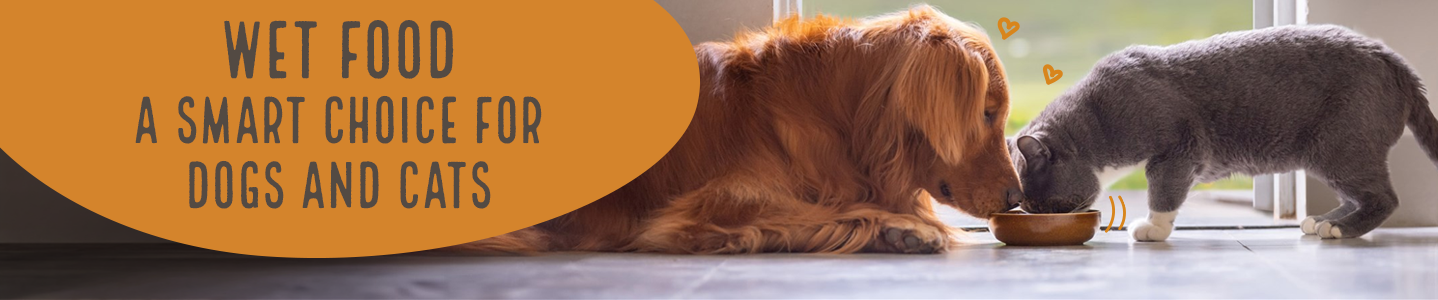
Wet food: a smart choice for dogs and cats
Wet food for dogs and cats is clearly on the rise. While kibble was the standard for many years, more and more pet owners are consciously choosing wet food—either fully or in combination with dry food.
But is wet food better than kibble?
When should you choose wet food?
And what should you look for when buying high-quality wet food?
In this blog, you’ll discover when wet food truly adds value and how to make the right choice for your dog or cat.
What exactly is wet food?
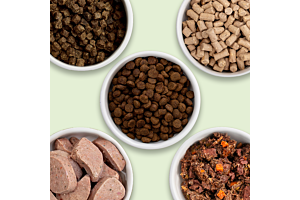
Wet food (also called canned food or moist food) is dog or cat food with a high moisture content, typically around 70–80%. It is usually gently cooked or steamed rather than extruded like kibble.
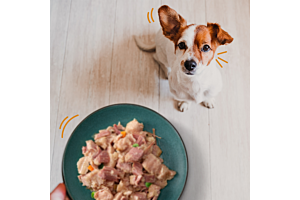
As a result, the texture stays closer to fresh food, and palatability is often higher.
Key characteristics of high-quality wet food:
• High proportion of animal protein
• High moisture content
• Gentle cooking process
• Often more palatable than kibble
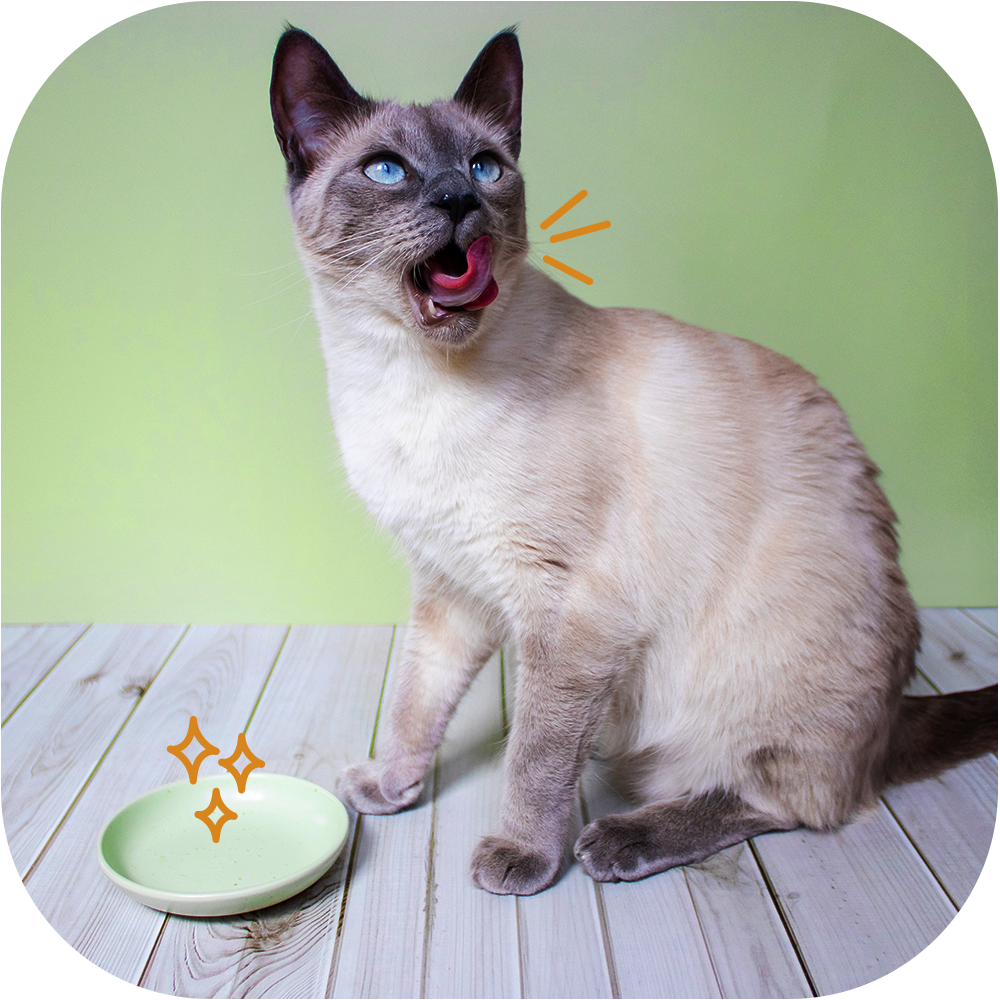
Why wet food is physiologically interesting for dogs and cats
1. Wet food supports your pet’s hydration
One of the biggest advantages of wet food for cats and dogs is increased moisture intake.
This is especially crucial for cats. Cats are naturally poor drinkers and normally obtain most of their moisture from prey. Cats that mainly eat kibble often produce more concentrated urine.
Wet food helps to:
✅ Dilute urine
✅ Improve bladder flushing
✅ Support overall hydration
Extra relevant for medical sensitivities:
This is particularly important for cats prone to urinary sensitivity, crystal formation, idiopathic cystitis, and early kidney stress.
For dogs, wet food can also be beneficial for poor drinkers, senior dogs and dogs with sensitive kidneys.
2. Wet food often has a lower glycemic load
Many high-quality wet foods contain less starch and fewer rapidly digestible carbohydrates than traditional kibble.
The glycemic load refers to how much a food raises blood sugar levels after eating. Foods high in fast-digesting carbohydrates typically cause larger blood sugar fluctuations.
This can be interesting for:
• Cats (obligate carnivores)
• Overweight dogs
• Animals with insulin resistance
Cats are obligate carnivores, meaning their metabolism is primarily adapted to animal proteins and fats rather than carbohydrates. A diet high in protein, high in moisture, and lower in carbohydrates often aligns better with a cat’s natural metabolism.
3. Higher protein digestibility
Thanks to gentle cooking, high-quality wet food often shows:
✅ Less amino acid damage
✅ Better biological availability
✅ Higher digestibility
What does this mean in practice?
Amino acids are the building blocks of proteins. Excessive heat (such as during kibble extrusion) can partially damage some amino acids. Biological availability refers to how much of the consumed nutrients the body can effectively use.
Wet food for dogs and cats can therefore be especially interesting for:
• Senior pets
• Recovery after illness
• Sensitive digestion
• Picky eaters
In recovering animals, a highly digestible protein source is particularly valuable for tissue repair.
4. Wet food can help with weight management
Due to its high moisture content, wet food has a lower energy density per gram. This means your pet can eat more volume for the same calorie intake.
Practical benefits:
✅ Larger portions possible
✅ Faster feeling of satiety
✅ Less begging behavior
Wet food can therefore be a useful strategy for overweight cats or dogs—provided it is correctly portioned.
Important: wet food is not automatically low in calories. Total energy intake remains decisive.
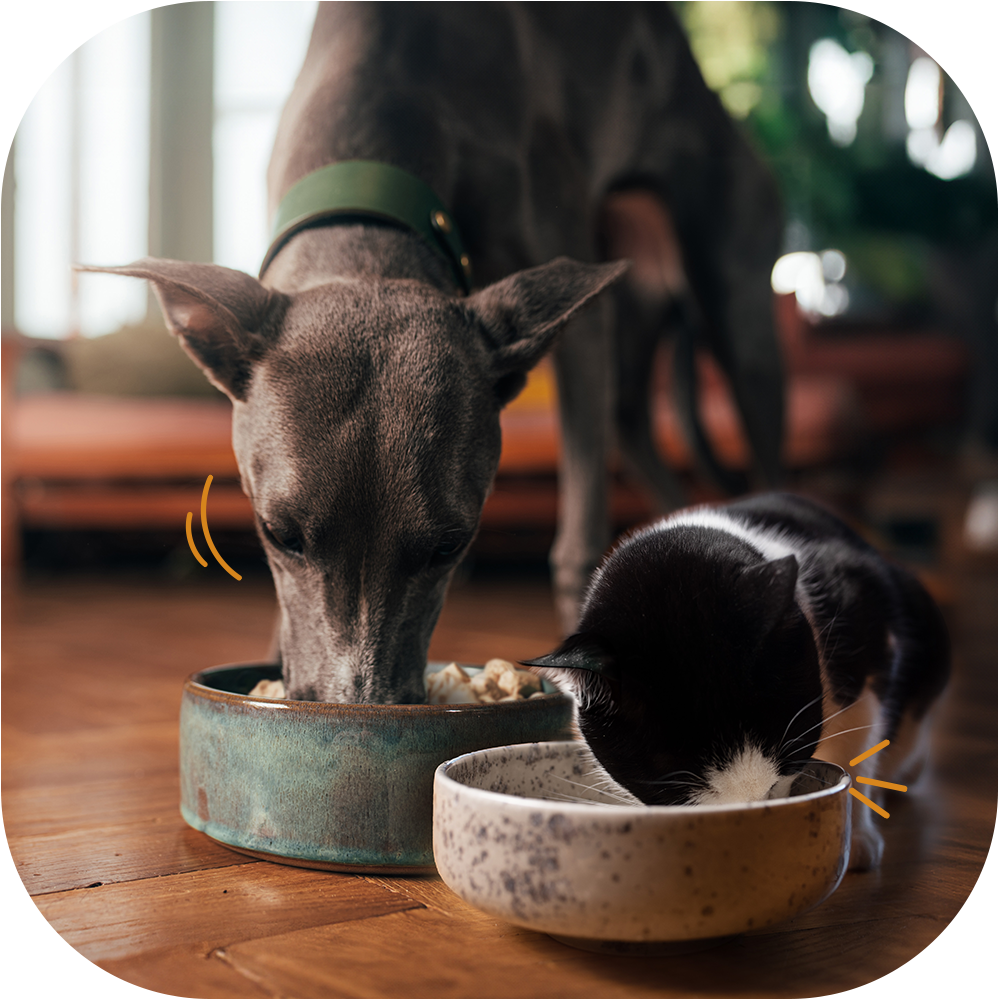
What to look for when choosing high-quality wet food
If you want to buy wet food for your dog or cat, look beyond marketing claims. These are the key quality criteria.
1. Transparent Animal Protein Source
Prefer foods with clearly named ingredients such as:
• Chicken
• Turkey
• Salmon
Avoid vague terms like “meat and animal derivatives” without specification.
Benefits of transparent protein sources:
✅ Better traceability
✅ Useful for food intolerances
✅ More predictable amino acid profile
2. High meat content (on a dry matter basis)
Because of the high moisture content, wet food can appear meat-rich. Ideally, check the dry matter basis (DMB). Converting everything to dry matter allows fairer comparison between foods.
General guideline:
• Cats: very high animal protein desired
• Dogs: depends on activity level and sensitivities
3. Proper mineral balance
Especially in wet food for cats, mineral balance is crucial.
Pay attention to the ratio of:
• Calcium and phosphorus
• Magnesium
• Sodium
These minerals influence urine concentration and urine pH.
A proper balance supports:
✅ Urinary health
✅ Kidney workload
✅ Stable urine pH
4. Limited and functional ingredients
For sensitive dogs and cats, simpler formulations are often better. Every additional ingredient is a potential trigger.
This is especially important for:
• Elimination diets
• Food intolerances
• Chronic intestinal issues
The best wet food for dogs: a few good options
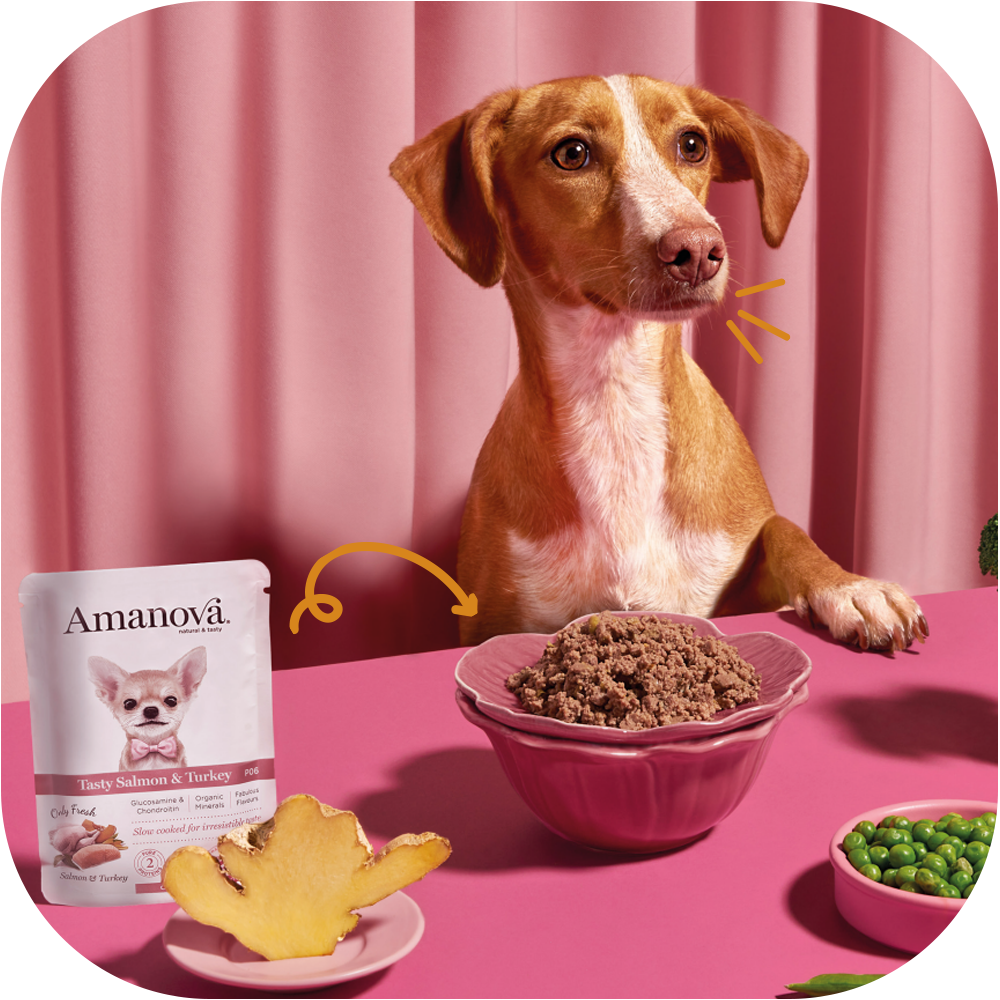
Amanova wet food for dogs
Amanova wet dog food uses fresh meat or fish sources and is known for its mono-protein formulas.
Key features:
✅ Often around 90% animal ingredients
✅ Limited ingredient list
✅ Good digestibility
✅ Clearly defined protein source
Very suitable for:
• Dogs with food intolerances
• Sensitive digestion
• Transition from kibble to wet food
• Mixed feeding
Canagan wet food for dogs
Canagan wet dog food is known for its grain-free and naturally inspired recipes.
Strengths:
✅ High meat content
✅ Grain-free
✅ Added vegetables and herbs
✅ Good protein-fat balance
Ideal for:
• Active dogs
• Dogs reacting poorly to grains
• Owners wanting a more natural diet
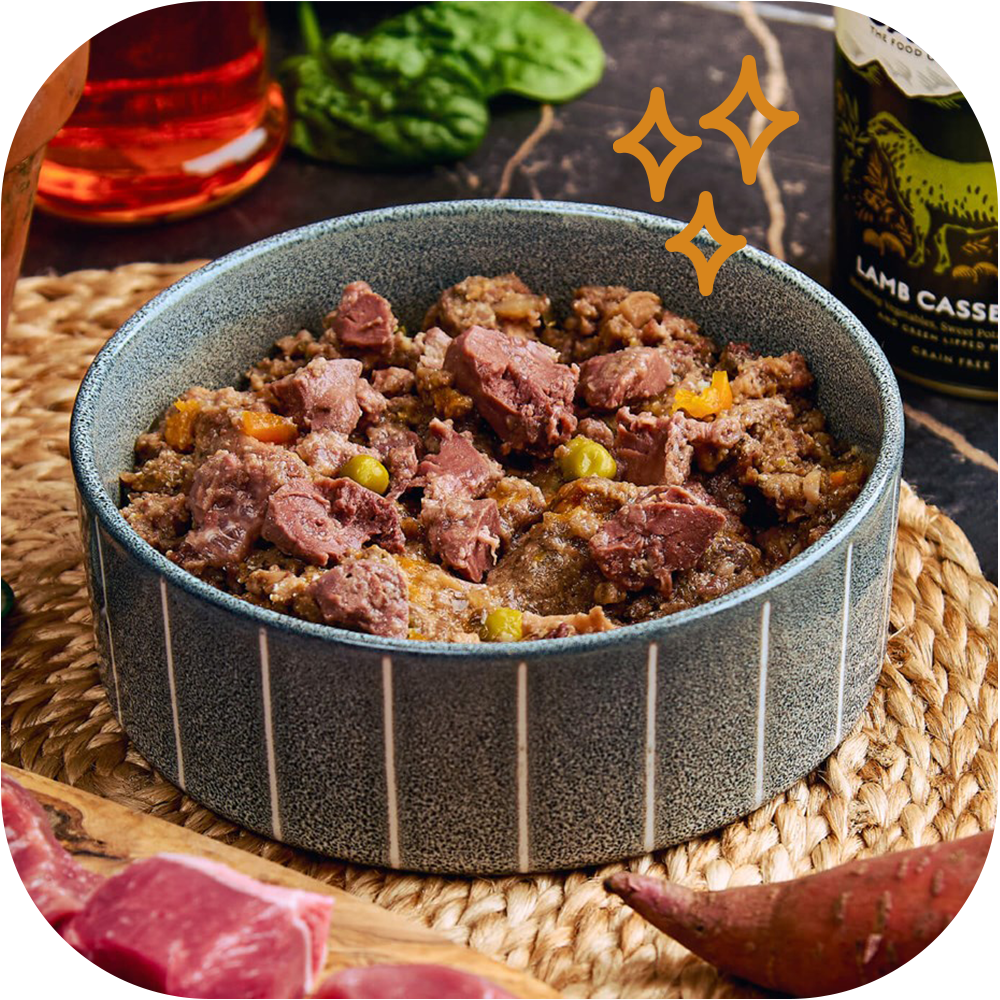
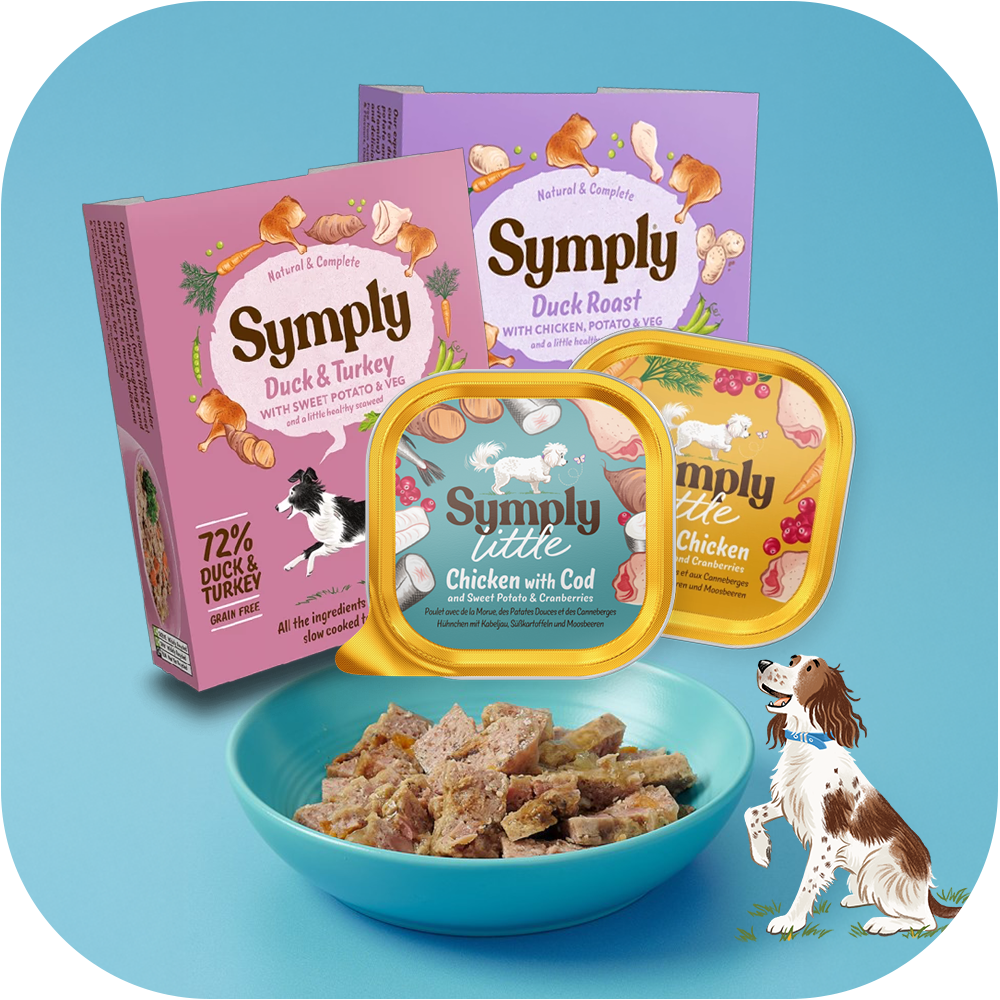
Symply wet food for dogs
Symply wet food focuses on simplicity and purity.
Advantages:
✅ Clear compositions
✅ Generally highly digestible
✅ Combines well with Symply kibble
✅ Suitable for rotational feeding
Interesting for:
• Skin and coat issues
• Sensitive intestines
• Picky eaters
The best wet food for cats: a few good options
For cats, wet food is often even more important due to their low thirst drive and sensitive urinary system.
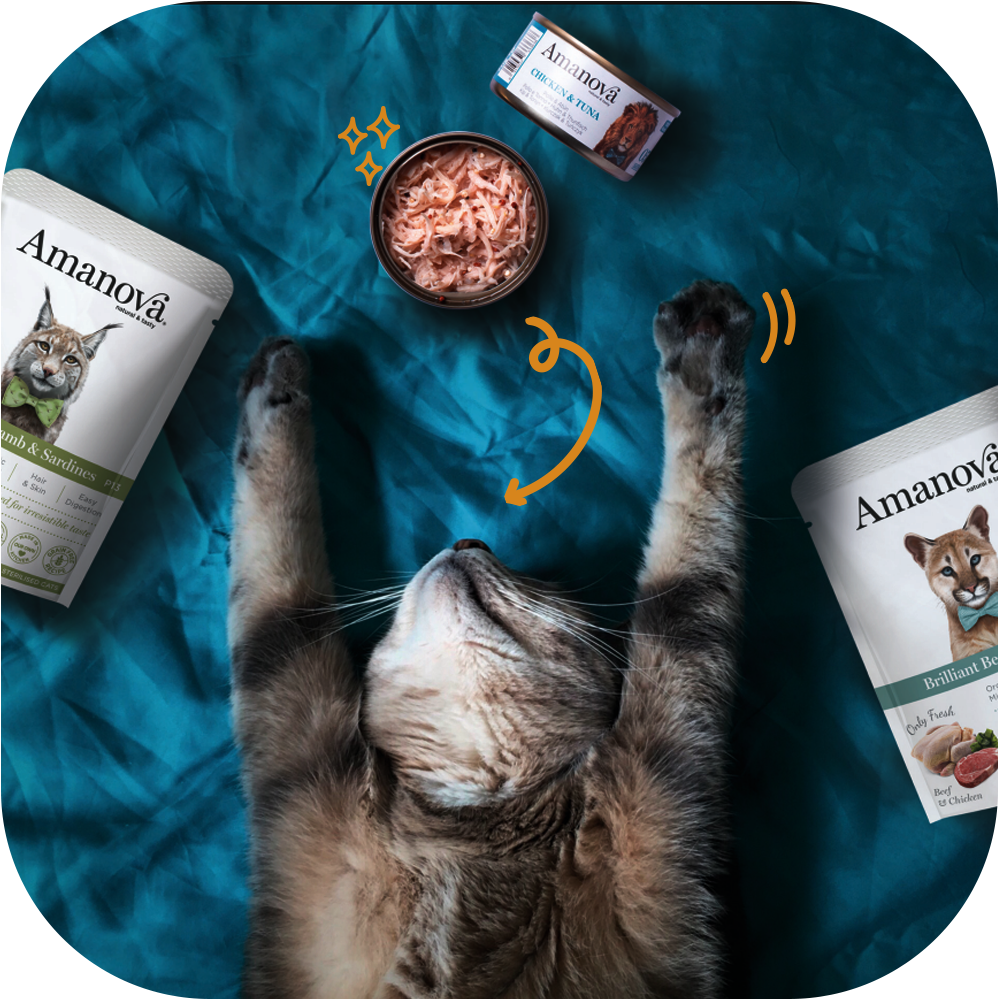
Amanova wet food for cats
Amanova wet cat food offers clearly defined protein sources and mono-protein options.
Perfect for:
• Sensitive cats
• Elimination protocols
• Picky eaters
• High palatability
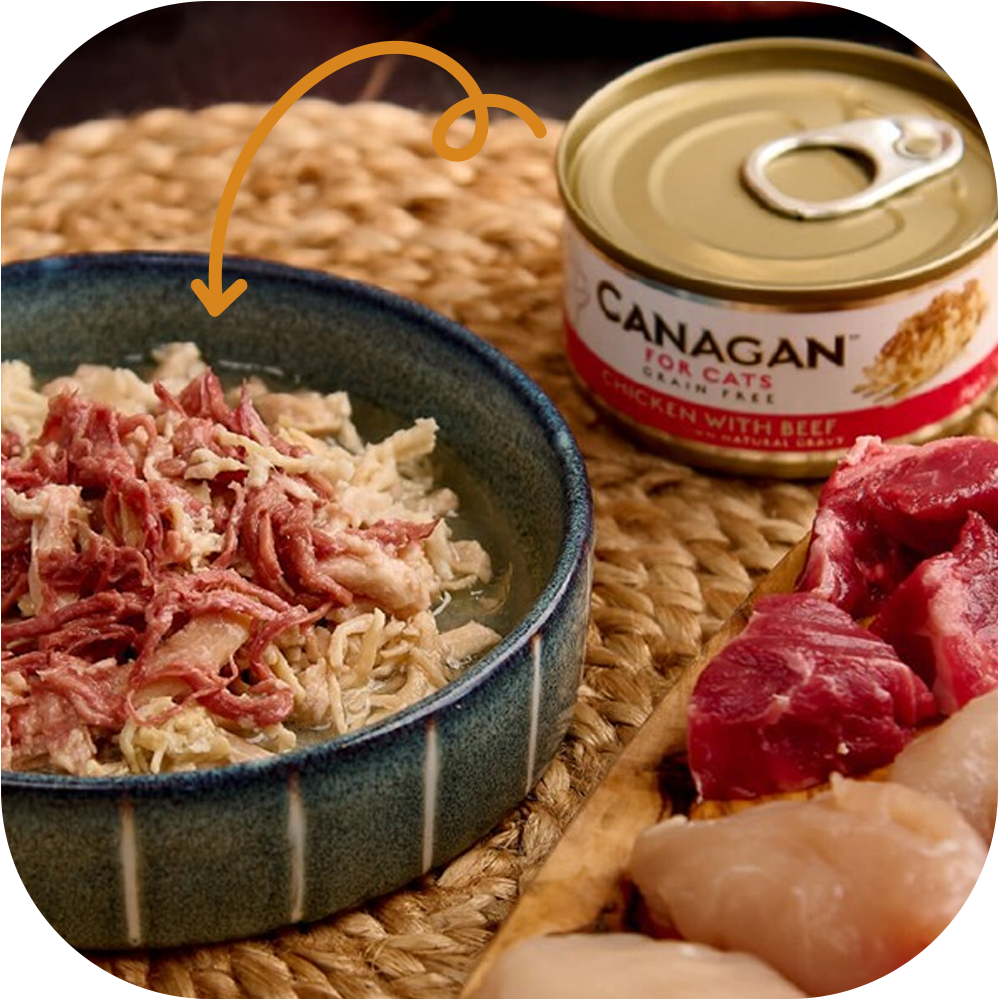
Canagan wet food for cats
Canagan wet cat food is grain-free and rich in animal proteins.
Key strengths:
✅ High protein content
✅ Rich in taurine
✅ Grain-free
✅ Good moisture balance
Very suitable for:
• Active cats
• Cats with sensitive urinary tracts
• Owners wanting grain-free feeding
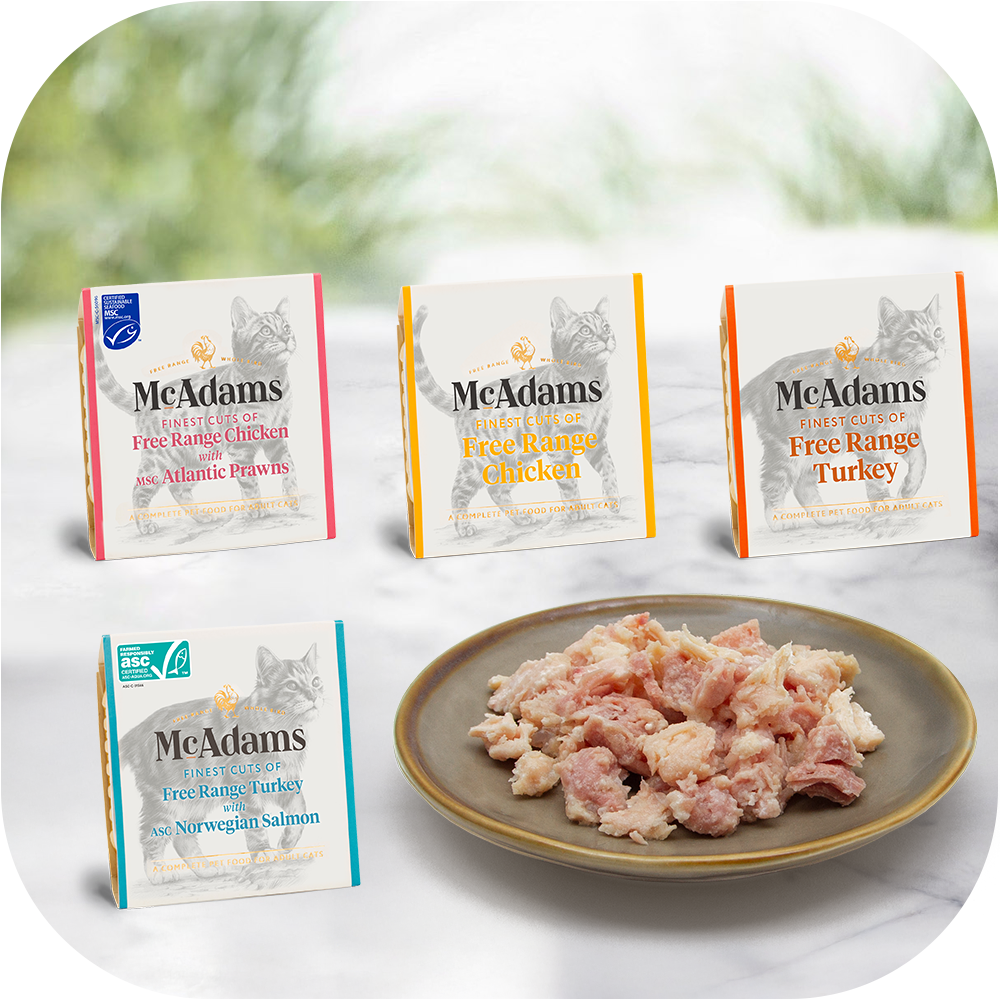
McAdams wet food for cats
McAdams wet cat food uses free-range chicken and whole meat pieces.
What sets this brand apart:
✅ Minimal protein fragmentation
✅ High digestibility
✅ Transparent sourcing
✅ Strong amino acid profiles
Ideal for:
• Owners seeking top quality
• Difficult eaters
• Combination with McAdams dry food
Full wet diet or combine with kibble?
Many owners today choose a combination of wet and dry food.
When 100% wet food is interesting
• Cats with urinary problems
• Poor drinkers
• Picky eaters
• Animals in weight control
When combining is interesting
• Practical feeding schedules
• More variety
• Budget optimization
• Maintaining chewing activity
The dental-cleaning effect of kibble is often overestimated, but texture and chewing can contribute to oral health.
Frequently Asked Questions About Wet Food
Is wet food better than kibble?
Not necessarily. Ingredient quality and formulation determine whether a food is good—not the form alone.
Is wet food bad for my pet’s teeth?
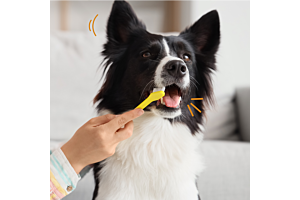
No. Dental health mainly depends on genetics, saliva, oral hygiene, and overall diet.
How do you switch to wet food?
Always transition gradually over at least 5–7 days.
For sensitive animals, 10–14 days is often even better.
Conclusion: Wet food as a thoughtful nutritional choice
High-quality wet food for dogs and cats can offer strong added value for:
✅ Hydration
✅ Urinary health
✅ Palatability
✅ Digestibility
✅ Support for sensitive pets
The key lies in choosing the right product and tailoring the approach to your individual pet.
Want personal advice on the best wet food for your dog or cat?
The Food4Pets team is happy to help you with specialized nutritional guidance.
Recent Posts