Dental care for cats and dogs
Why proper oral health is essential for your pet’s overall wellbeing
Dental care for dogs and cats is a vital yet often underestimated aspect of their overall health. Studies show that approximately 80% of dogs develop dental problems by the age of 2 to 3, while up to 70% of adult cats suffer from gingivitis, chronic oral disease, or tooth resorption (FORL).
Because dogs and cats instinctively hide pain, dental disease often remains unnoticed for a long time. When visible symptoms finally appear, the condition is usually already advanced, affecting not only the teeth and gums but also the animal’s general health.
How do dental problems develop in dogs and cats?
Almost all dental disease starts with dental plaque. Plaque is a bacterial biofilm that constantly forms on the surface of the teeth. It consists of bacteria, salivary proteins, and food debris and firmly adheres to teeth and molars.
If plaque is not removed regularly, it hardens into tartar (calculus). Tartar has a rough surface that attracts additional bacteria and irritates the gums. This process can lead to:
• Gingivitis (gum inflammation)
• Periodontal disease
• Loose or missing teeth
• Pain, bad breath, and reduced appetite
Less widely known but highly relevant: oral bacteria can enter the bloodstream and contribute to increased strain on the heart, liver, and kidneys, particularly in senior dogs and cats.

Chewing to reduce plaque: why not all products are effective
Chewing is an important part of preventive dental care for pets, but its effectiveness strongly depends on the type of chewing material used. Three key factors determine success:
- Structure and resistance
Chews that are too soft break apart quickly and provide little mechanical cleaning. Effective dental chews offer sufficient resistance without damaging teeth. - Contact with the tooth surface
Ridges, grooves, and fibrous textures increase contact with the teeth—especially the back molars, where plaque accumulates most rapidly. - Duration of chewing
The longer the chewing session, the greater the plaque-reducing effect and the stronger the stimulation of saliva production.
Effective options include:
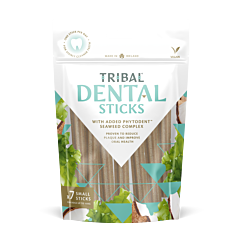
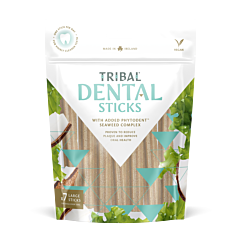
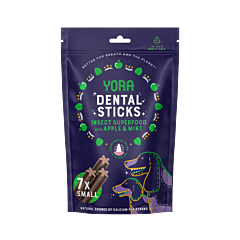
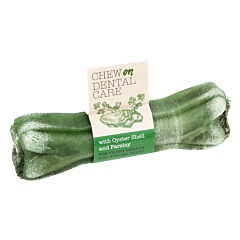
✅ Dental chew sticks with a functional design
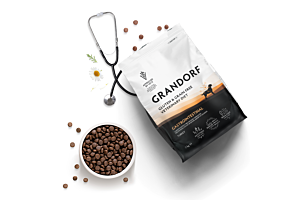
✅ Specially formulated dental kibble
✅ Safe chew toys, such as durable rope toys
The role of saliva in pet oral health
Saliva plays a crucial but often overlooked role in maintaining oral health in dogs and cats. Chewing stimulates saliva production, which:
✅ Flushes away bacteria and food particles
✅ Neutralizes harmful acids
✅ Supports natural gum repair
Pets that chew less—such as cats and small dog breeds—benefit less from this protective mechanism, which partly explains their increased risk of dental disease.
Combining dental care with play
Chew toys, especially rope toys, contribute positively to dental health. The fibrous structure provides a mild abrasive effect while gently massaging the gums. This allows dental care to be naturally integrated into daily play, increasing acceptance and consistency.


Dental care for dogs: a tailored approach is essential
Every dog’s mouth is different. Small dog breeds and short-snouted dogs are at higher risk of tartar buildup and periodontal disease due to closely spaced teeth.
An effective dental care plan for dogs takes into account:
• Body size and jaw shape
• Age
• Individual chewing behavior
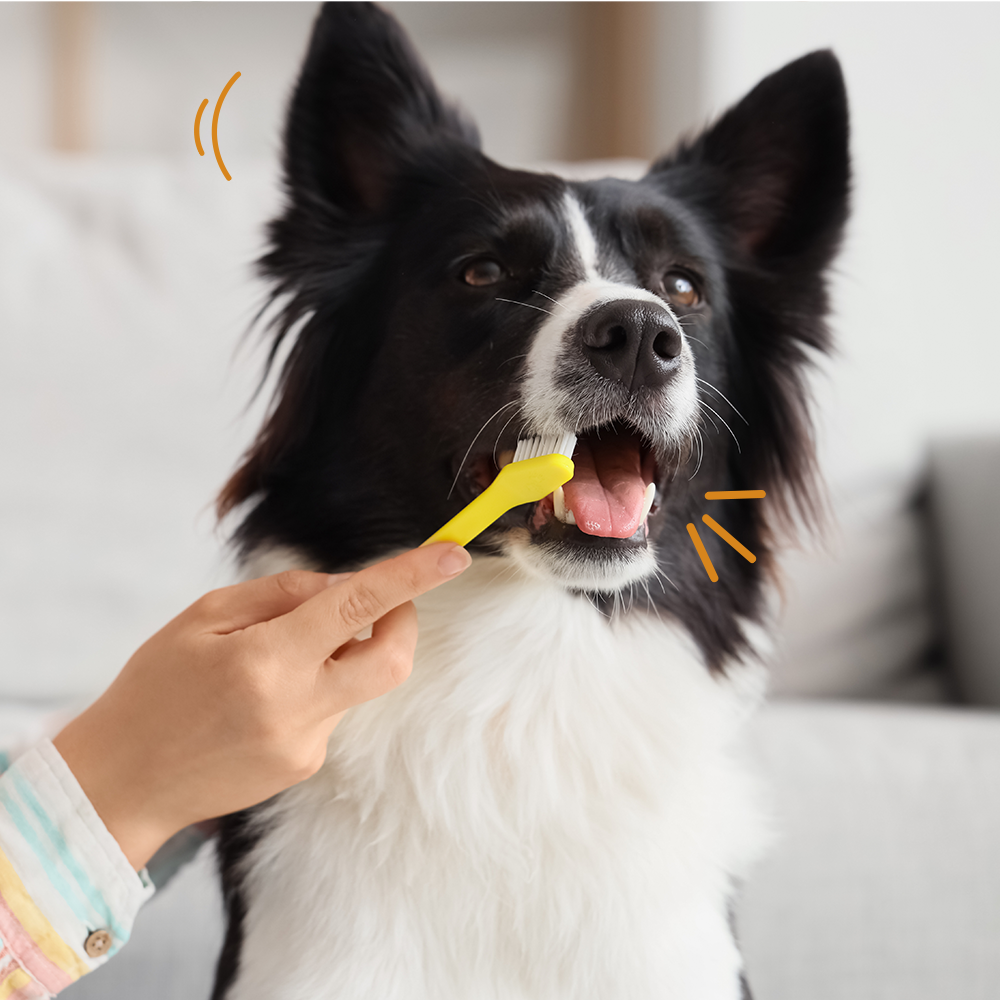
The best long-term results are achieved through a combination of adapted nutrition, appropriate chew products, and regular tooth brushing, tailored to the individual dog.
Dental care for cats: subtle but indispensable
Dental disease in cats is extremely common but frequently overlooked. In addition to gingivitis, tooth resorption (FORL) is one of the most prevalent and painful dental conditions in cats.
Supportive dental care options for cats include:
✅ Dental kibble with a specially designed texture
✅ Functional dental treats
✅ Gels, powders, and water additives
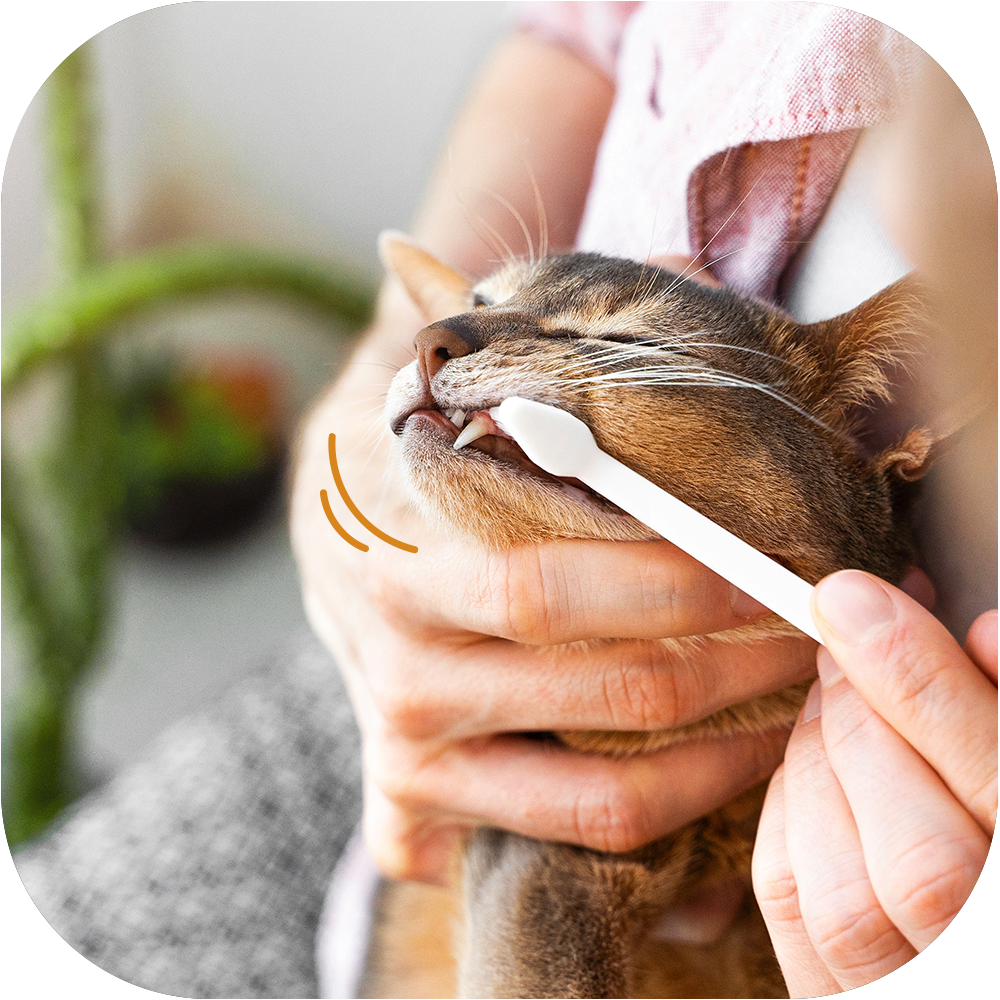
✅ Gradually introduced tooth brushing
A calm, gradual, and stress-free approach is essential to ensure acceptance.
What is tooth resorption (FORL) in cats?
Tooth resorption is a condition in which tooth tissue is progressively broken down from the inside and replaced by bone. The process typically begins below the gum line, making it difficult to detect during a routine visual inspection.
FORL is usually diagnosed using dental X-rays. The most effective treatment is removal of the affected tooth, which often provides immediate pain relief and prevents further inflammation.
Signs of dental problems in dogs and cats
Early detection of dental disease is crucial. Watch for the following symptoms:
• Persistent or changed bad breath
• Red, swollen, or bleeding gums
• Reduced appetite or difficulty eating
• Chewing on one side of the mouth
Recognizing these signs early helps prevent chronic pain and complex dental treatments.

Regular veterinary dental check-ups remain essential
Even with excellent home dental care, regular veterinary dental examinations are indispensable. Many dental problems develop below the gum line and can only be identified by a veterinarian. Preventive care significantly improves your pet’s comfort and quality of life.
A healthy mouth improves your pet’s quality of life
Good dental health contributes to:
✅ Reduced pain and inflammation
✅ Improved food intake and digestion
✅ Increased energy and comfort
✅ Better long-term quality of life
By combining specialized nutrition, supportive dental products, and professional veterinary care, you actively invest in your dog’s or cat’s overall health.
Checklist: how to keep your dog’s and cat’s teeth healthy
Daily or regularly
✅ Offer appropriate chewing materials
✅ Encourage sufficiently long and effective chewing sessions
✅ Brush teeth when possible
✅ Use supportive dental care products
Monitor for warning signs
• Bad breath
• Changes in eating habits or behavior
• Sensitive, red, or inflamed gums
Preventive care
✅ Adapt dental care to age, size, and chewing behavior
✅ Schedule regular dental check-ups with your veterinarian
A consistent dental care routine is the key to a healthy mouth and a better quality of life for your dog or cat.
Recent Posts